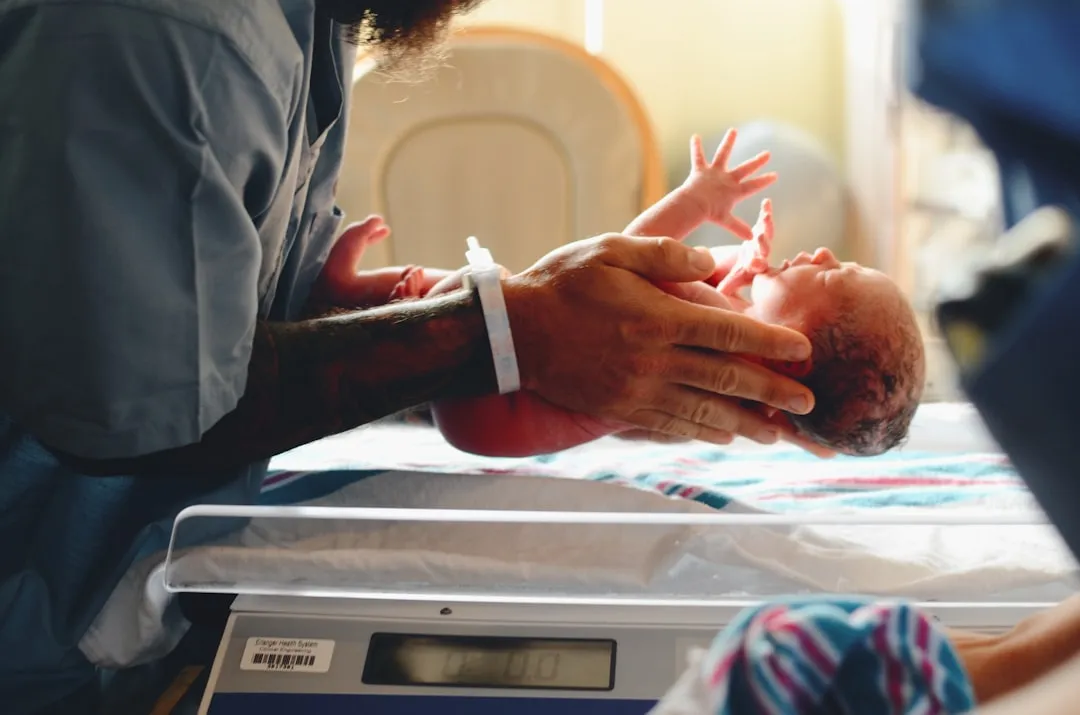
After 17 Years of Silence, a South Korean Village Celebrates the Sound of a Baby's Cry
A small South Korean town welcomed its first newborn in 17 years, offering a glimmer of hope as the nation's fertility rate begins to rise after years of steep decline.
In a small town in South Korea, something momentous just happened — something so simple that most of us take it for granted, yet something this community had nearly given up on ever experiencing again. A baby was born. The first newborn in seventeen years. When you sit with that number for a moment, it hits differently: seventeen years without the sound of a crying infant, without the shuffle of a new family moving into town, without that particular kind of hope that a new life carries with it.
South Korea has been grappling with one of the world's lowest fertility rates for years now. The numbers are sobering — economic pressures, the high cost of raising children, demanding work cultures, and shifting priorities have all contributed to families choosing to have fewer kids, or none at all. It's a demographic challenge that keeps policy makers up at night and weighs on the national conversation about the future. But in this quiet corner of the country, the arrival of this one child feels like a small miracle, a gentle pushback against the tide.
The timing of this birth carries extra weight because it coincides with news that South Korea's fertility rate has actually begun to inch upward — not dramatically, but measurably. After years of decline, there are signs of cautious optimism. Families are reconsidering, support systems are improving, and perhaps the national mood around parenthood is slowly shifting. For a town that had watched its youngest residents grow up and move away to Seoul or beyond, chasing jobs and opportunities in the city, this newborn represents something like a second chance.
You can imagine what the arrival meant to the community. The local clinic, the neighbors who'd started to feel like they were witnessing the slow fade of their town, the teachers and shopkeepers who'd adapted to a life without children — they all got to experience something they'd thought might never happen again. There's a tenderness in that, and a quiet determination too. One baby doesn't solve the bigger problem, but it's proof that solutions are possible, that people can still choose to stay, to build families, to believe in the future of their small corner of the world.
What makes this story beautiful isn't just the birth itself, but what it symbolizes. It's a reminder that even when national trends feel overwhelming and inevitable, individual choices and small acts of hope can shift the conversation. This baby is not just a statistical reversal — they're a symbol to everyone in that town, and perhaps to the whole country, that renewal is still within reach. In a place that had grown quiet, someone is finally crying, and the whole community is listening.
Loved this story?
More Stories You'll Love
Log in to leave a comment
Read Next

The Guide Dog Who Became a Lifesaver
A Black Labrador trained as a seeing-eye dog detected his owner's blood clot and alerted him before it became life-threatening, going far beyond his formal training to become a true hero.
Continue Reading